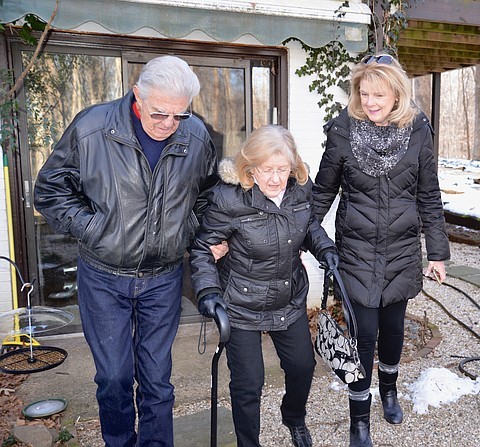
A doctor can recommend treatment. But if someone cannot get to the appointment, the recommendation may go nowhere. If they cannot safely navigate their front steps afterward, recovery becomes harder.
Health care is paying more attention to these everyday conditions. Transportation, a safe home, and meaningful relationships all influence whether people can live well as they age. Across the Aging Forward Alliance, local organizations have worked on these needs for decades. What is changing is our opportunity to understand—and explain—the full value of that work.
A volunteer ride is a good example. On a report, it appears as one trip completed. For the person taking it, the ride may mean keeping an appointment, picking up a prescription, or returning to a weekly class. The volunteer driver may also be someone who notices that getting into the car has become more difficult and asks how things are going.
The ride matters. So does what becomes possible because of it.
The same is true of a repaired step. We can count the repair, but its value may show up in the months that follow: someone feels confident leaving home, continues attending a favorite program, or welcomes friends without worrying about the entrance. A lifelong learning class can be counted by attendance, while its lasting effect may be the friendships and sense of purpose people carry home.
This does not mean every ride prevents a missed appointment or every class ends loneliness. It means our usual measures capture the activity more readily than the change it may create. If we want to learn what works, we need to ask people what changed for them—and listen when the answer surprises us.
That approach should guide newer ideas, too. Aging Forward is exploring tools such as AI companionship and rapid home modifications. Their promise lies in what they help people do: connect with others, move safely, and keep living in ways that matter to them. A new tool becomes valuable when it serves those goals.
So, is innovation hiding in plain sight? Look at the volunteer waiting at the curb, the repaired step at the front door, or the empty chair a classmate saves for a friend. None may look like a breakthrough on its own. Yet each can remove a barrier that stands between an older adult and the life they want to lead.
Aging Forward’s opportunity is to make those connections visible, learn from them, and help more communities put them within reach. Sometimes the most promising idea is one we have been practicing all along—and are finally learning to see in full.